Tear gas residue removal in Grand Rapids, MI
Licensed Grand Rapids tear gas residue removal pros using eco‑conscious methods and responsible disposal — honest pricing, fast scheduling, and work done right.
Qué incluye
Eliminación de residuos de gas lacrimógeno
De reparaciones urgentes a instalaciones planificadas, el equipo con licencia de Grand Rapids Unattended Death Cleanup se encarga de tear gas residue removal en Grand Rapids — con precio acordado antes de empezar.
How it works
Preguntas frecuentes sobre eliminación de residuos de gas lacrimógeno
What biohazard cleanup services do you offer in Grand Rapids?+
¿Están licenciados y asegurados los profesionales de limpieza de biohazards en Michigan?+
¿Cuánto tiempo pueden responder en Grand Rapids?+
¿Ofrecen presupuestos gratuitos?+
Who do I call for a biohazard cleanup emergency in Grand Rapids?+
How can I verify a biohazard cleanup company in Grand Rapids is licensed and legitimate?+
Tear gas residue removal in Grand Rapids
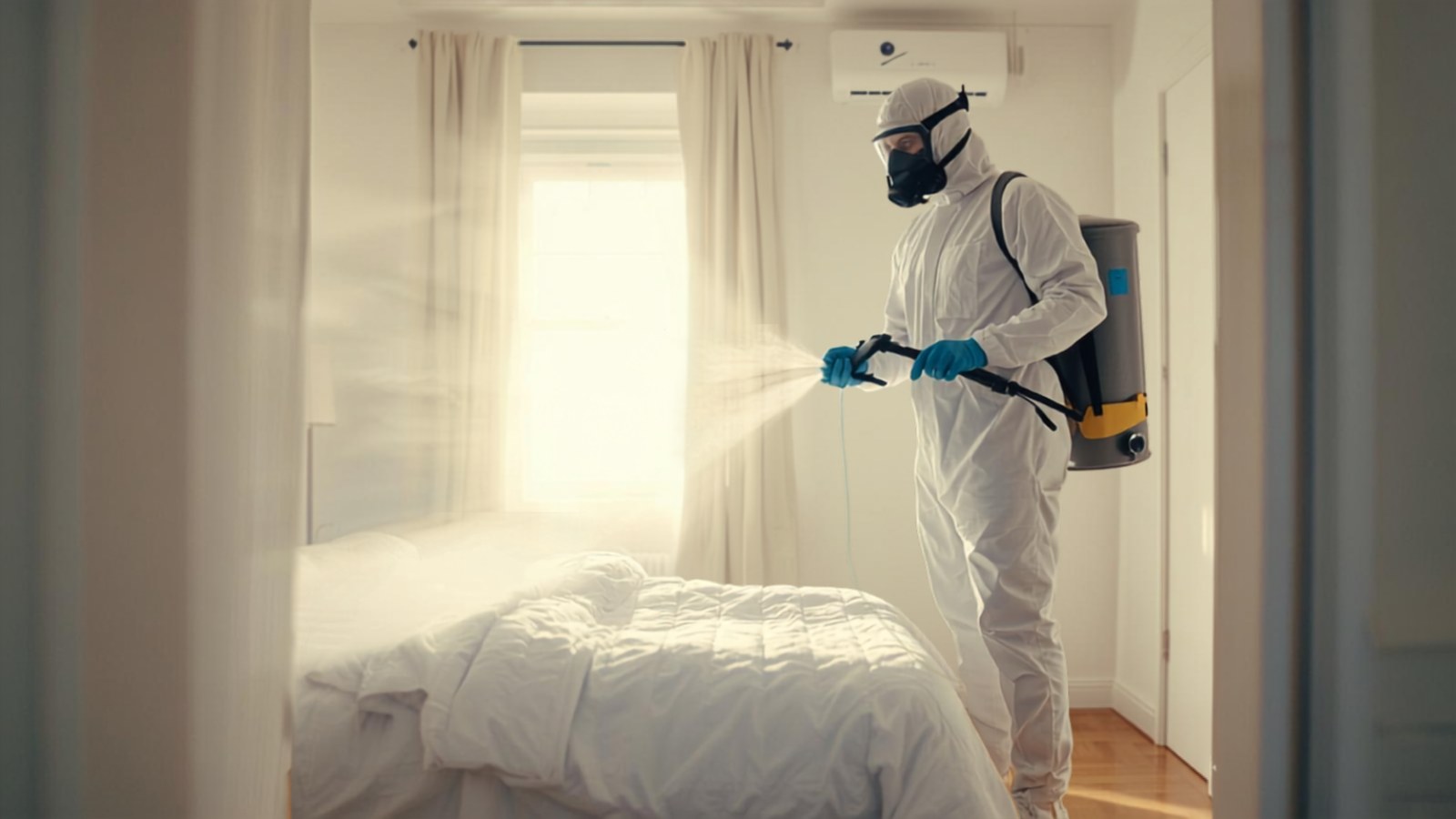
Tear gas residue removal is a specialized service that addresses the lingering chemical compounds left behind after law enforcement uses crowd-control agents like CS gas, OC spray, or smoke canisters inside a property. These residues settle on surfaces such as walls, flooring, furniture, and HVAC systems, creating a persistent irritant that can cause respiratory discomfort, skin reactions, and eye irritation for anyone who enters the space. The removal process begins with a thorough assessment of the affected areas, followed by the application of neutralizing agents designed to break down the chemical bonds of the residue. Technicians then use HEPA-filtered vacuums and microfiber cloths to capture particulates, followed by a deep cleaning of all porous and non-porous surfaces with specialized solvents. In Grand Rapids, where properties often feature older construction materials like plaster walls and hardwood floors, residue can seep into cracks and crevices, requiring careful attention to detail. The final step involves air scrubbing with ozone generators or hydroxyl machines to eliminate any airborne particles and odors, ensuring the environment is safe for reoccupancy. This matters for Grand Rapids homeowners and property managers because untreated residue can trigger asthma attacks or allergic reactions in residents, and it may also damage finishes over time if left unchecked.
The work is distinct from standard biohazard cleaning because tear gas residue is a chemical contaminant, not a biological one, requiring different protocols and solvents. For example, bleach-based cleaners often worsen the problem by reacting with the residue, so we use pH-neutral or alkaline solutions that are specifically formulated for chemical decontamination. In Grand Rapids, where many homes have forced-air heating systems, residue can circulate through ductwork, contaminating the entire building. Our process includes sealing off unaffected rooms, using negative air pressure to contain the spread, and thoroughly cleaning all HVAC components, including filters and vents. This level of specificity prevents cross-contamination and ensures that the property is restored to a livable condition without lingering health risks.
Areas We Cover in Grand Rapids
We provide tear gas residue removal services throughout Grand Rapids and its surrounding neighborhoods, including Godwin Heights, Grand Rapids Charter Township, the Heritage Hill Historic District, and the Third Ward. Our team also responds to properties near local landmarks such as the 106 Gallery on Division Avenue South, 1890 Mens Grooming Parlour on Cherry Street, 1st Micro Greenery on Plainfield Avenue Northeast, and 2RST on South Division Avenue. Whether you own a historic home in Heritage Hill or a rental property in Godwin Heights, we are equipped to handle residue removal in a way that respects the unique architecture and materials of your building.
What to Expect
When you schedule tear gas residue removal with us, here is what the process involves:
- A walkthrough to identify all affected surfaces, including hard-to-reach areas like ductwork and behind appliances.
- Application of a neutralizing agent to deactivate the chemical compounds, followed by mechanical cleaning with HEPA vacuums and microfiber tools.
- Air purification using industrial-grade scrubbers to remove any remaining airborne irritants.
- A final inspection to confirm that residue levels are undetectable and the space is safe for occupancy.
Call to Action
If your Grand Rapids property has been affected by tear gas residue, contact Grand Rapids Unattended Death Cleanup today to schedule a professional assessment. We provide thorough, discreet removal services tailored to your property’s needs.